Beyond Cultural Competency: Why Real Health Equity for Black Seniors Requires a Revolution in Trust
By Tresha Wallace, Nurse & Author of Healthy Habits Healthy Life; A Guide to Diabetes Management, Ubuntu Legacy Community Care
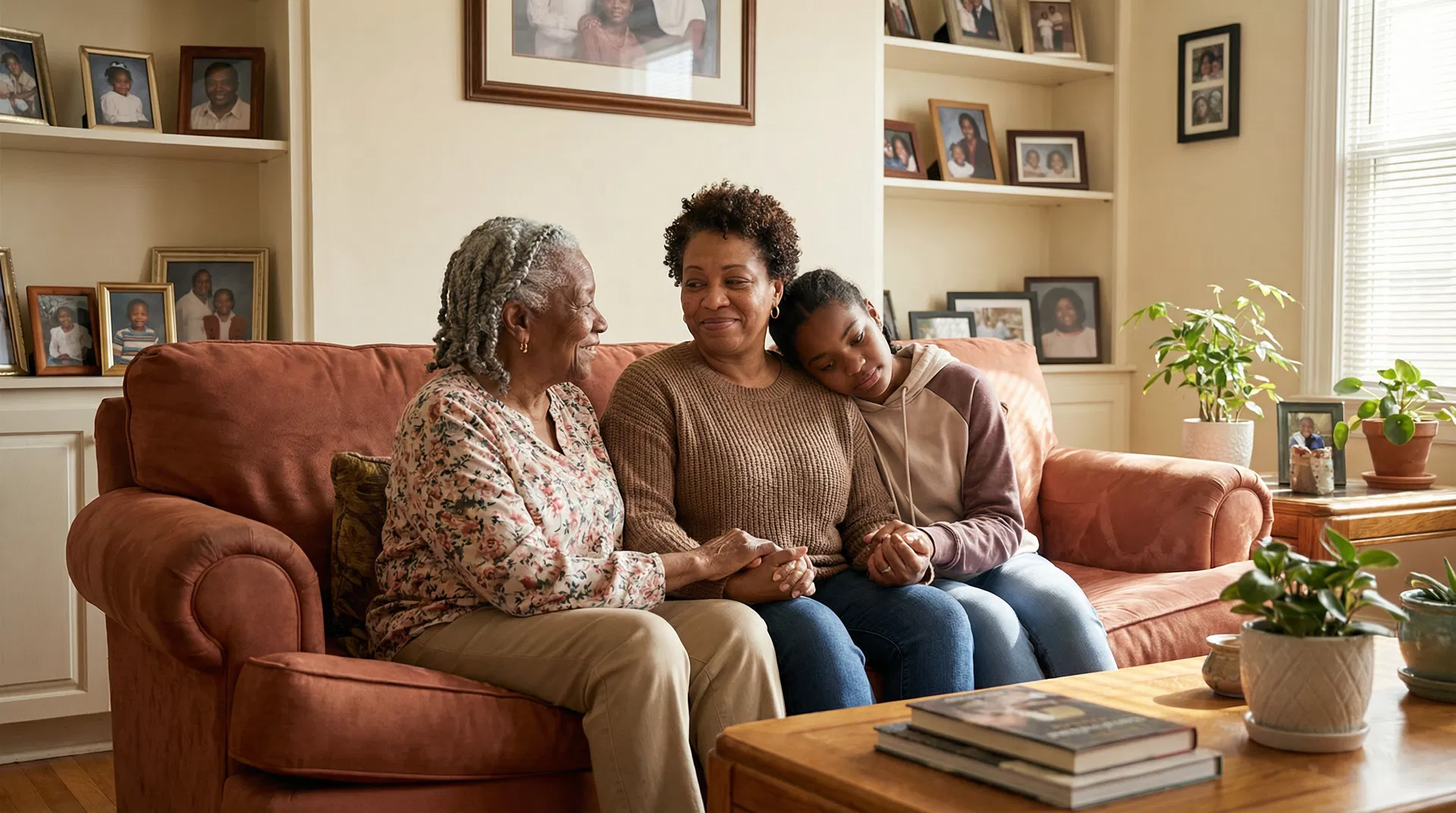
There is an unspoken crisis unfolding in our healthcare system. While we celebrate advancements in medicine and technology, a significant portion of our community is being left behind. For Black seniors in Canada, the promise of a long, healthy life is often undermined by systemic inequities that are as pervasive as they are invisible to the mainstream.
Consider this: Black individuals in Canada are twice as likely to develop diabetes as their white counterparts, and the prevalence of the disease has doubled in the last decade within this community. This is not a failure of individual willpower; it is a failure of a system that has not yet earned the trust of the people it is meant to serve.
For too long, the proposed solution has been “cultural competency”—a well-intentioned but often superficial approach that involves learning about different foods, festivals, and customs. While important, this is not enough. Real health equity for Black seniors will not be achieved through a checklist; it will be achieved through a revolution in trust.
The Limits of the Checklist: When Cultural Competency Fails
A surface-level approach to cultural competency often fails because it does not address the root cause of health disparities: a deep, historical, and entirely rational mistrust of the healthcare system. This mistrust is born from generations of inequitable treatment, implicit bias, and a system that has not consistently listened to or valued the lived experiences of Black patients.
When a healthcare provider simply learns a few cultural “facts” without understanding the underlying context of systemic barriers, the result can feel patronizing rather than supportive. A doctor who tells a Caribbean senior to “eat less salt” without understanding the cultural significance of the foods they grew up with is unlikely to see positive results. The advice, however medically sound, is delivered without the currency of trust.
This is where community-led organizations become not just helpful, but essential.
The Ubuntu Legacy Model: Building Trust, One Relationship at a Time
At Ubuntu Legacy Community Care, we believe that trust is the most powerful public health intervention. Our model is not built on clinical transactions, but on authentic, long-term relationships. We are of the community, for the community. Our philosophy is “I am because we are,” and this principle guides everything we do.
This is what building trust looks like in practice:
It’s a nutrition workshop that doesn’t just hand out a generic food guide, but celebrates and adapts traditional Caribbean recipes to be healthier, led by a peer who understands the joy and connection that food brings.
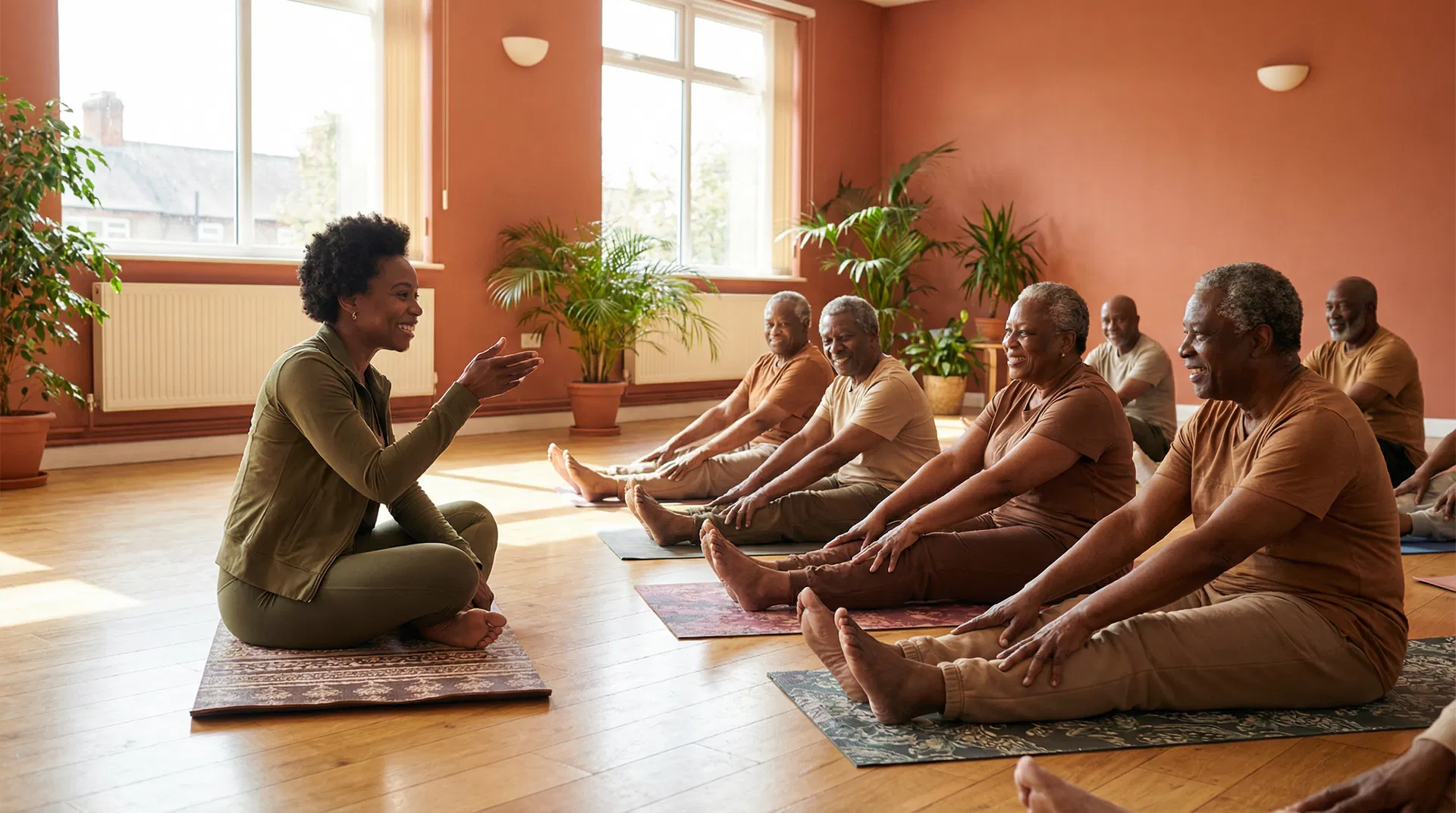
It’s a gentle yoga class where seniors feel comfortable moving their bodies without fear of judgment, surrounded by friends who look like them and share their life experiences.
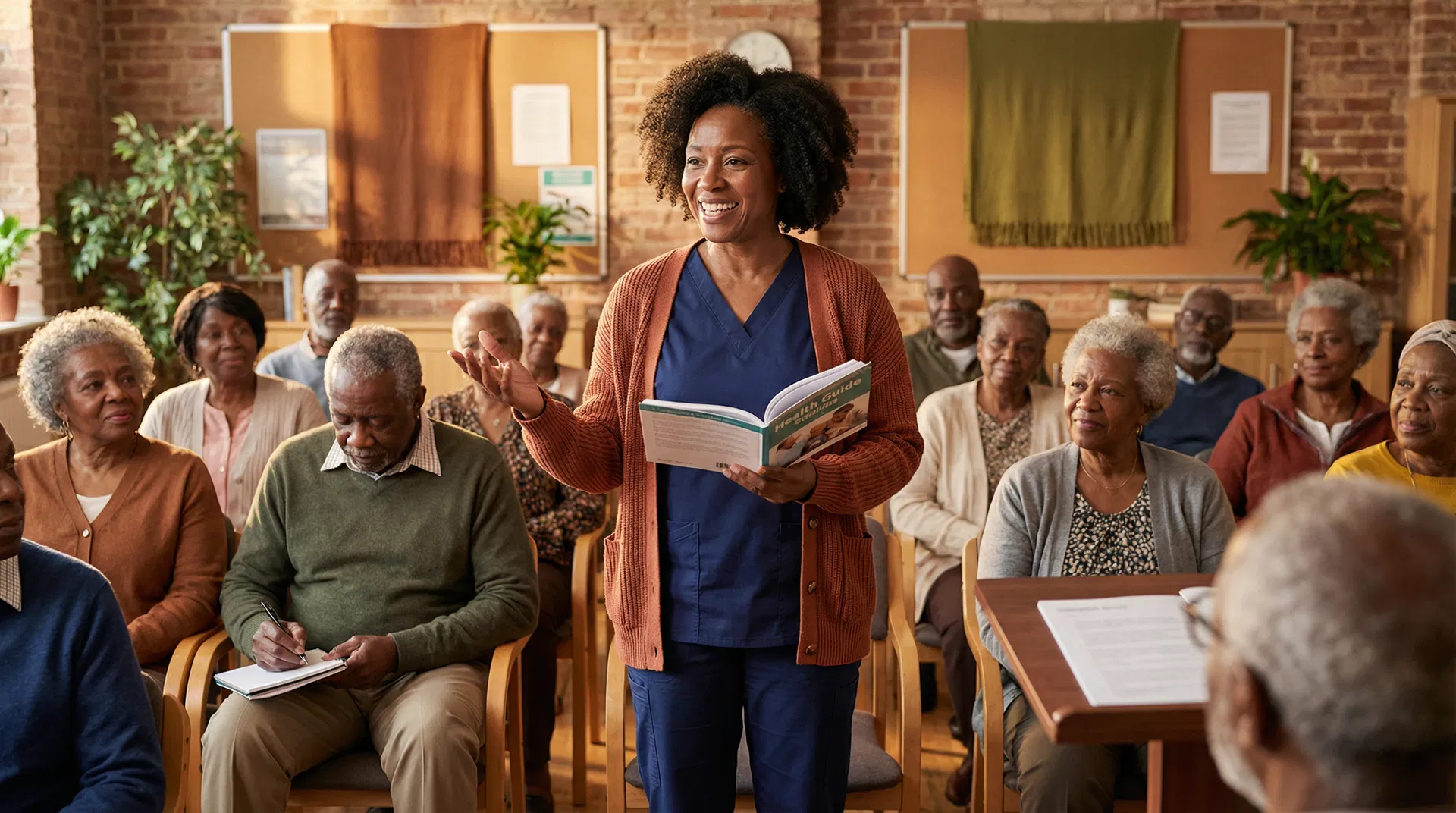
It’s a health education session on managing hypertension where members can ask questions openly, share their fears, and receive information from a trusted community leader, not just a clinician in a white coat.
By creating these safe, culturally-grounded spaces, we act as a vital bridge between the community and the formal healthcare system. We empower our seniors to become active participants in their own health, equipped with the knowledge and confidence to advocate for themselves.
A Call to Action for the Healthcare Sector
To truly address the health disparities facing Black seniors, the healthcare sector must move beyond its own four walls and partner with the organizations that have already earned the community’s trust. We propose a new model of collaboration built on mutual respect and shared goals.
Fund Community-Led Health Education: Invest directly in organizations like Ubuntu Legacy to deliver culturally-specific health and wellness programming. Recognize that this is not “outreach,” but a core component of a comprehensive public health strategy.
Integrate Community Navigators into Clinical Care: Partner with us to place trusted “Digital Navigators” and Health Ambassadors in clinical settings to help Black seniors navigate appointments, understand medical advice, and communicate more effectively with their providers.
Co-Design Programs with the Community: Move away from a top-down approach. Work with us to co-design health interventions that are grounded in the lived realities and cultural values of the communities you serve.
The Future of Community Health
The path to health equity is not paved with good intentions alone. It requires a fundamental shift in how we think about healthcare delivery—from a system of isolated clinical encounters to an ecosystem of trusted relationships.
Ubuntu Legacy Community Care is at the forefront of this change, proving that a model built on community, culture, and connection can produce real, measurable improvements in health outcomes. We invite our partners in healthcare, government, and philanthropy to join us in this vital work. Together, we can build a future where every senior, regardless of their background, has the opportunity to age with dignity, health, and joy.